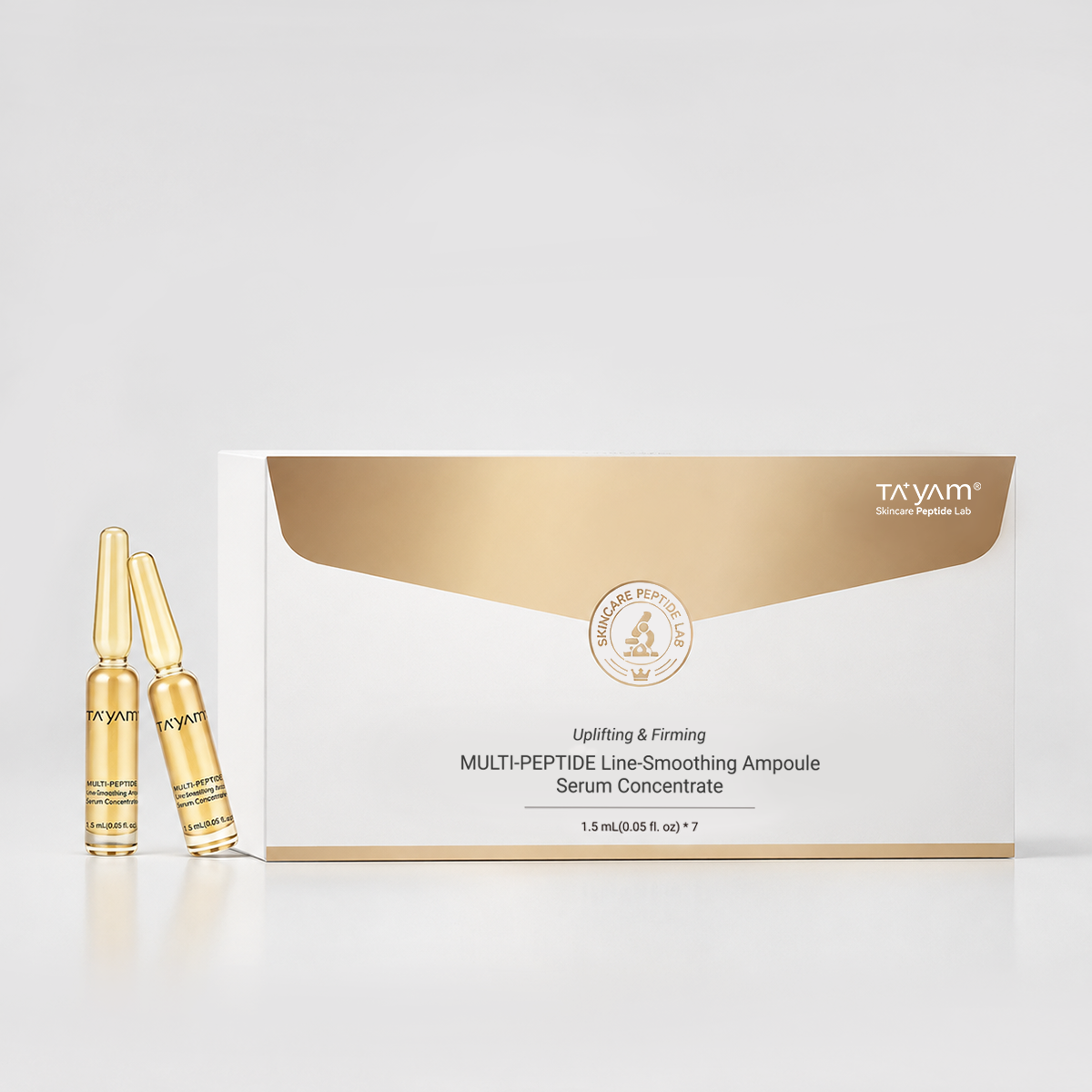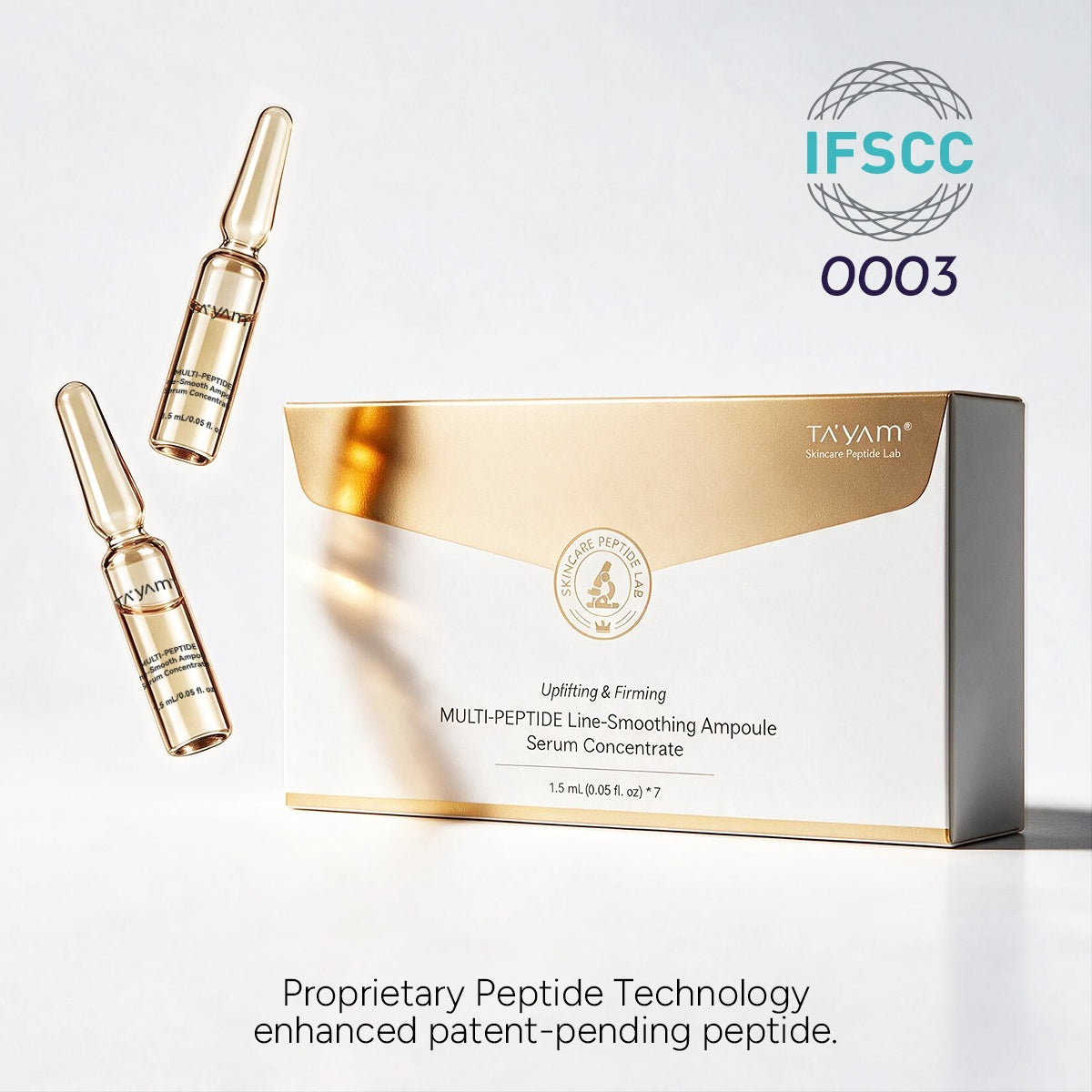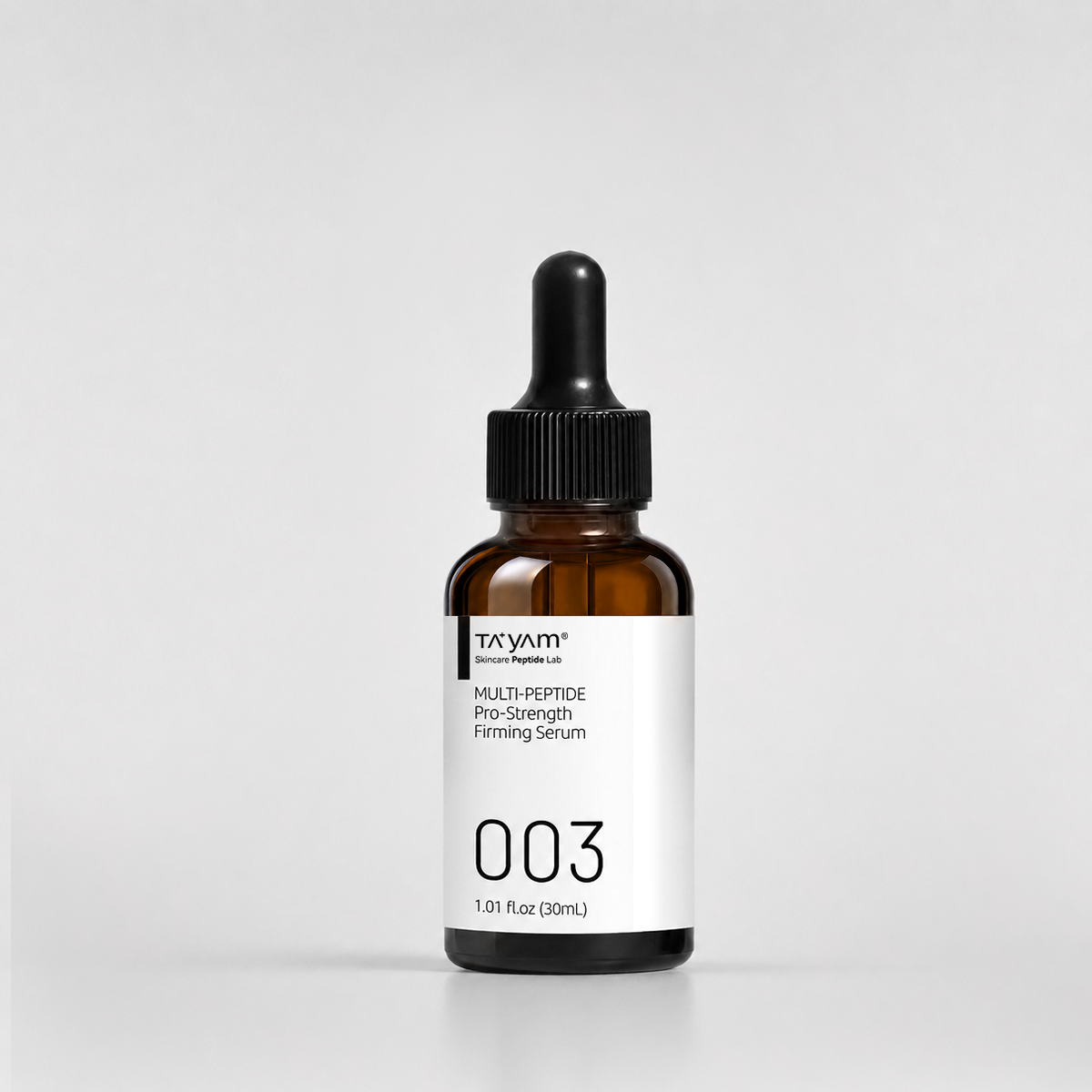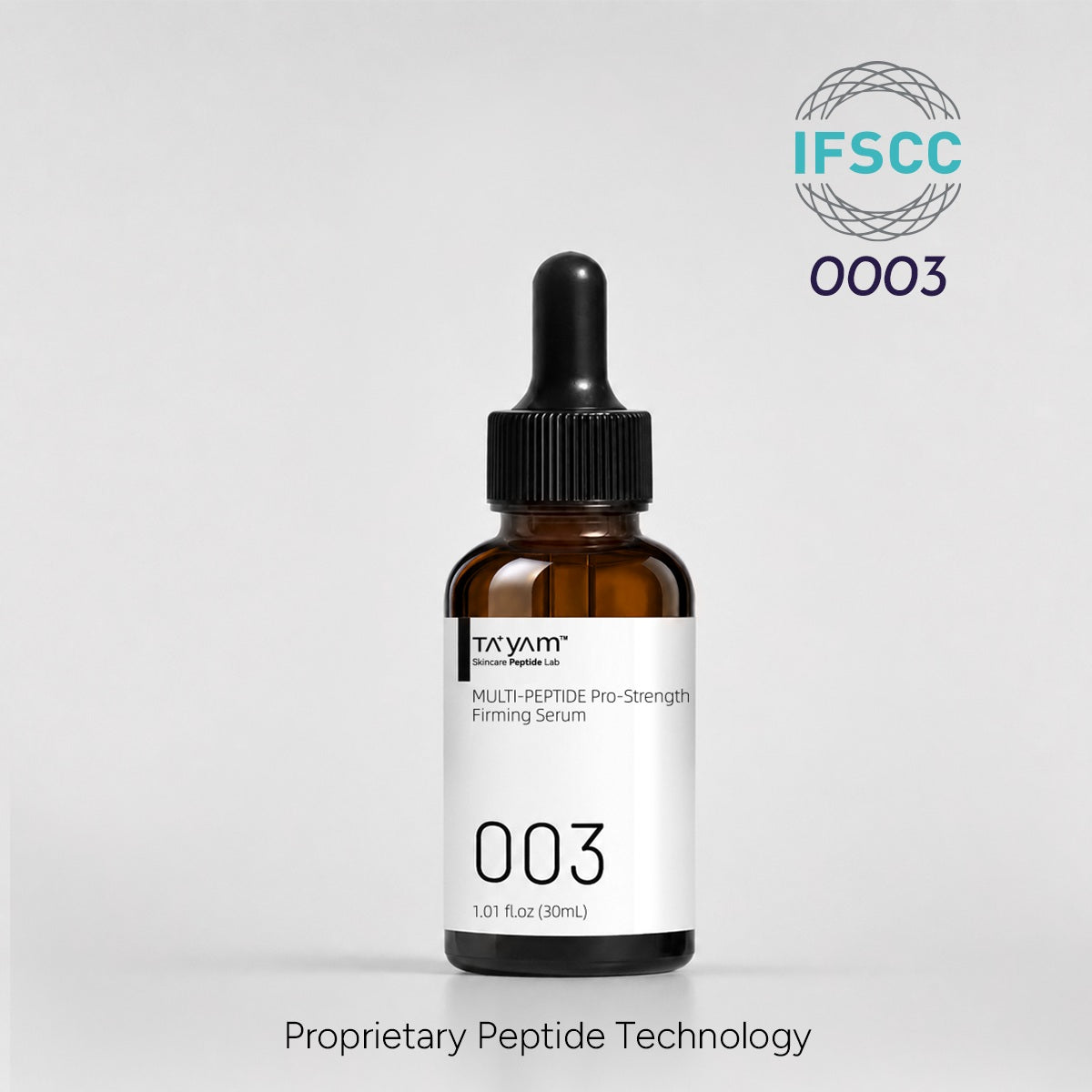

Erasin0003: The Molecular Key That Was Built — Not Found
Deep inside your skin, a lock-and-key system operates 24/7. Receptors sit in cell membranes like tiny padlocks, and only the right molecule—the right key—can activate them and trigger a signal.
When it comes to visible skin aging, two of these molecular locks play particularly important roles.
The Two Molecular Locks Behind Skin Aging
Lock #1: m-nAChR and Facial Muscle Contraction
The m-nAChR pathway is associated with muscle contraction.
Every smirk, squint, and eyebrow raise activates facial muscles. Over time, these repeated micro-movements can contribute to the appearance of expression lines.
Lock #2: TGF-β and Collagen Production
TGF-β plays an important role in signaling fibroblasts, the cells responsible for producing collagen.
As skin ages, this signaling activity can weaken. Collagen production gradually declines, and the skin may begin to lose firmness, elasticity, and bounce.
Why Traditional Ingredient Discovery Has Limitations
For decades, the skincare industry has searched for effective ingredients by examining plants, marine organisms, and laboratory cultures, hoping to discover molecules that interact with specific biological targets.
It is the cosmetic equivalent of panning for gold.
Occasionally, researchers find a promising molecule. More often, they identify one that is close but not quite right—potentially unstable, imprecise, or unable to deliver the desired performance.
Our team approached the challenge from a different direction.
If we already understand the structure of the molecular locks, why continue searching for a key that only partially fits?
Why not design the key ourselves?
Designing the Molecular Key with CADD
That is exactly what we did.
We adapted a research approach commonly used in the pharmaceutical field: computer-aided drug design, also known as CADD.
Identifying the Target Receptors
First, network pharmacology helped us identify and analyze the structure of the target receptor pathways.
This gave our researchers a clearer understanding of the molecular characteristics required for an effective interaction.
Testing Peptide Sequences Through Molecular Docking
Next, we used molecular docking technology to create a virtual testing environment.
Our researchers designed different peptide sequences, adjusted their three-dimensional structures, and ran thousands of simulations to assess how effectively each version interacted with the selected targets.
The process was repeated continuously:
-
Design the peptide sequence
-
Simulate its molecular interaction
-
Evaluate its binding performance
-
Adjust the structure
-
Test it again
With every round, the molecule became more refined, targeted, and precise.
The Creation of Erasin0003
The result was Erasin0003—a peptide molecule engineered from the ground up to interact with two pathways associated with visible skin aging.
It was not discovered by chance or selected simply because it existed in nature.
It was intentionally designed.
By applying computer-aided molecular design to skincare research, Erasin0003 represents a more precise approach to addressing two key concerns:
-
The appearance of expression lines caused by repeated facial movement
-
The age-related decline in collagen production and skin firmness
Erasin0003 was not merely found.
It was built to fit.