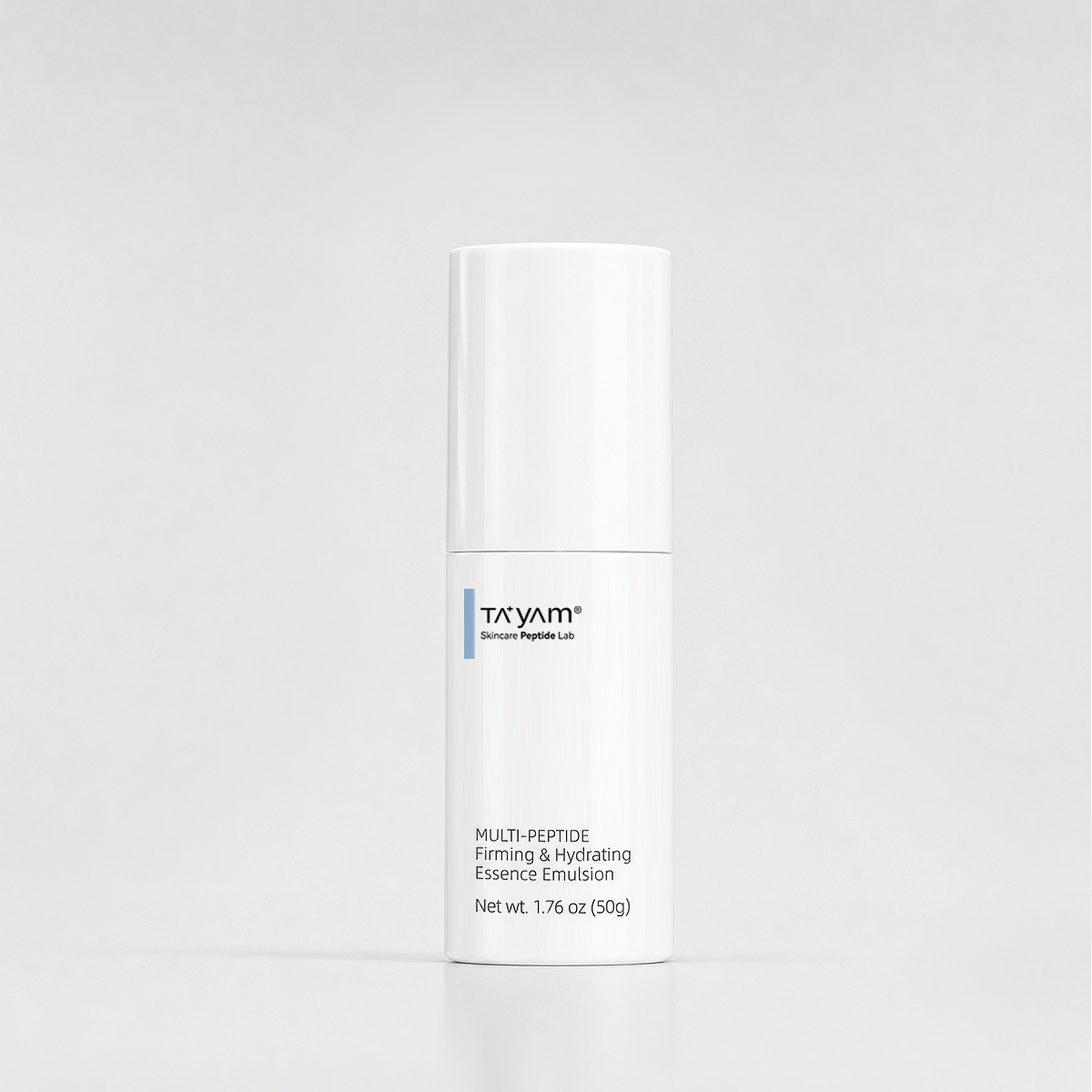

Understanding Skin Structure: The Science Behind Healthy Skin
Skin care starts with understanding what the skin does. Its layers protect the body, help retain moisture, provide structural support, and respond to the environment. Knowing how these functions work makes it easier to choose products for dryness, sensitivity, uneven tone, or changes in firmness.
The epidermis, dermis, and subcutaneous tissue each have a distinct role. A moisturizer can help support the outer barrier, for example, while claims about deeper structural changes require a different level of evidence. The finished formula and how it is used matter as much as the name of any single ingredient.
The Skin's Three Main Layers
Skin is often described in three layers: the epidermis at the surface, the dermis beneath it, and the subcutaneous tissue below. Together, they support protection, sensation, temperature regulation, and the skin's appearance.
The Epidermis and Its Protective Barrier
The epidermis is the outermost layer. Its surface, the stratum corneum, is often compared to bricks and mortar: flattened cells form the bricks, while lipids between them help hold the barrier together. These lipids include ceramides, cholesterol, and fatty acids.
When the barrier works well, it helps limit water loss and shields the skin from everyday irritants. When it is disrupted, skin may feel tight, look flaky, or become more reactive. Gentle cleansing and a suitable moisturizer can help support this barrier; repeated harsh cleansing or over-exfoliation may make dryness and discomfort worse.
The Dermis and Structural Support
The dermis lies below the epidermis. It contains connective tissue, blood vessels, nerves, and structures associated with hair and sweat glands. Collagen provides strength, elastin contributes to flexibility, and hyaluronic acid helps bind water within the tissue.
Changes in these components over time, together with sun exposure and other factors, contribute to visible changes in texture and firmness. Cosmetic products may improve the appearance and feel of skin, but the presence of an ingredient such as a peptide or retinoid does not, by itself, establish what a finished product can achieve in the dermis.
The Subcutaneous Tissue and Cushioning
Subcutaneous tissue sits below the dermis and contains fat and connective tissue. It helps cushion and insulate the body. Changes in its volume and distribution can also affect facial contours. A topical cosmetic should not be expected to restore lost facial volume simply because it contains an ingredient associated with firmness.
What Supports Healthy-Looking Skin?
Healthy-looking skin is not necessarily flawless or oil-free. Comfort, an intact barrier, adequate hydration, and a routine that suits the individual are more useful goals.
Barrier Care and Moisture
A gentle cleanser removes daily buildup without leaving skin persistently tight. Moisturizers can combine humectants, which attract water, with emollients and occlusive ingredients that soften skin and help reduce moisture loss. The right balance depends on skin type, climate, and how the formula feels in use.
Oil Balance and the Skin Microbiome
Sebum helps lubricate the skin surface. Removing too much of it can leave skin uncomfortable, even when excess shine is a concern. Skin also hosts a diverse community of microorganisms known as the microbiome. Research continues to explore how it relates to skin condition, but broad claims that one product can “rebalance” everyone's microbiome need product-specific evidence.
Protection and Renewal
Skin renews itself continually, while ultraviolet exposure can contribute to uneven pigmentation and visible signs of aging. Consistent sun protection is therefore a practical foundation for a skin care routine. Antioxidants, exfoliants, retinoids, and other actives may address particular appearance concerns, but their benefits and tolerability depend on the ingredient, concentration, formula, and use.
Putting Skin Science Into a Routine
Start with a gentle cleanser, a moisturizer suited to your skin, and daily sun protection. Then add a targeted product only when it serves a clear goal, such as improving the appearance of uneven tone or fine lines. Introduce potentially irritating actives gradually and adjust the routine if skin becomes dry or uncomfortable.
Peptides, niacinamide, vitamin C derivatives, panthenol, and retinoids appear in products with different intended uses. Their names are useful clues, but they do not replace evidence for the finished formula. A shorter, consistent routine can be easier to evaluate than changing several products at once.
Frequently Asked Questions About Skin Structure
Why does a product sometimes seem to sit on my skin?
That feeling can reflect the product's texture, the amount applied, layering, or the condition of the skin surface. It does not reliably show whether an active ingredient has reached a particular skin layer. Try applying a smaller amount and allowing each layer to settle; if a product repeatedly feels uncomfortable, consider a different formula.
Can sensitive skin use active ingredients?
Often, yes, but tolerance varies. Introduce one product at a time, follow its directions, and begin at a frequency your skin tolerates. A simple moisturizer and gentle cleanser can help keep the rest of the routine comfortable. Stop using a product that causes persistent irritation and seek professional advice when needed.
Does skin need a “detox” product?
Skin does not need a special detox treatment. Cleansing can remove surface dirt, oil, and sunscreen, while the body's normal physiological processes handle waste. Be cautious of products promising to “draw toxins” from the skin without defining what they remove or showing relevant evidence.
Why is sun protection so important?
Ultraviolet exposure contributes to skin damage and visible aging. Using a suitable sunscreen as directed, along with shade and protective clothing when appropriate, helps reduce that exposure over time.
Understanding Skin Leads to Better Choices
The epidermis helps keep moisture in and irritants out; the dermis provides much of the skin's structural support; and subcutaneous tissue provides cushioning. These roles explain why different skin concerns call for different approaches.
Good skin care begins with barrier support and sun protection, then adds targeted products according to individual needs. Evaluate claims in the context of the complete formula and realistic cosmetic outcomes.
Disclaimer: This article is for educational purposes and does not provide medical advice or guarantee specific skin care results. Skin conditions, product responses, and individual results vary. Consult a qualified healthcare professional for persistent symptoms or medical concerns.